
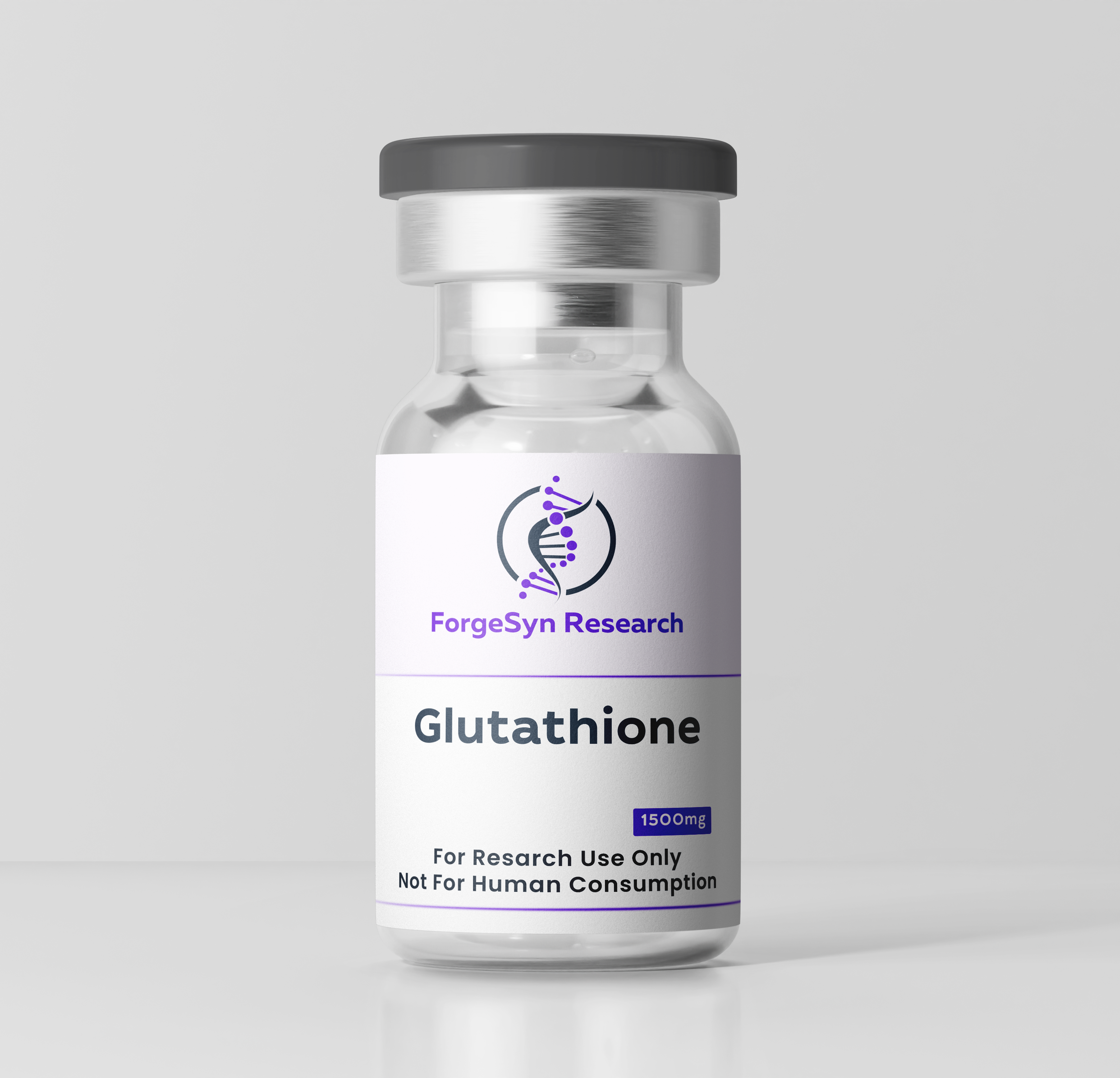
Glutathione is a powerful antioxidant naturally produced by the body's cells. Composed of three amino acids—glutamine, cysteine, and glycine—it is essential for combating oxidative stress, supporting the immune system, and detoxifying harmful substances.
Key Functions & Health Roles
Antioxidant Defense: Glutathione neutralizes free radicals and reactive oxygen species that can cause cellular damage and inflammation.
Detoxification: It plays a vital role in the liver by binding to toxins, environmental pollutants, and drugs, making them water-soluble so they can be excreted.
Cellular Maintenance: It helps maintain the reduced state of cellular proteins, regulates the cell cycle, and supports mitochondrial function.
Supplements & Medical Uses
Natural glutathione levels decrease due to aging, chronic stress, poor nutrition, and toxin exposure. It is available in various supplemental forms, though its oral absorption is still a subject of research:
Oral Supplements: Taken to support overall wellness or specific conditions like non-alcoholic fatty liver disease (MASLD) or insulin resistance.
Intravenous (IV) Therapy: Used in clinical settings to treat specific conditions, such as severe acetaminophen overdose (often utilizing its precursor, N-acetylcysteine).
Skin Care: Topicals or injectables are heavily marketed for skin lightening, though these uses remain poorly studied and lack well-defined efficacy.
For further details on its mechanisms or the clinical evidence surrounding supplementation, you can explore the National Cancer Institute Drug Dictionary or review scientific discussions in the PMC Library.
Disclaimer: Consult with a healthcare professional before making any changes to your diet or beginning any new supplement regimen.
This product for research use only.