
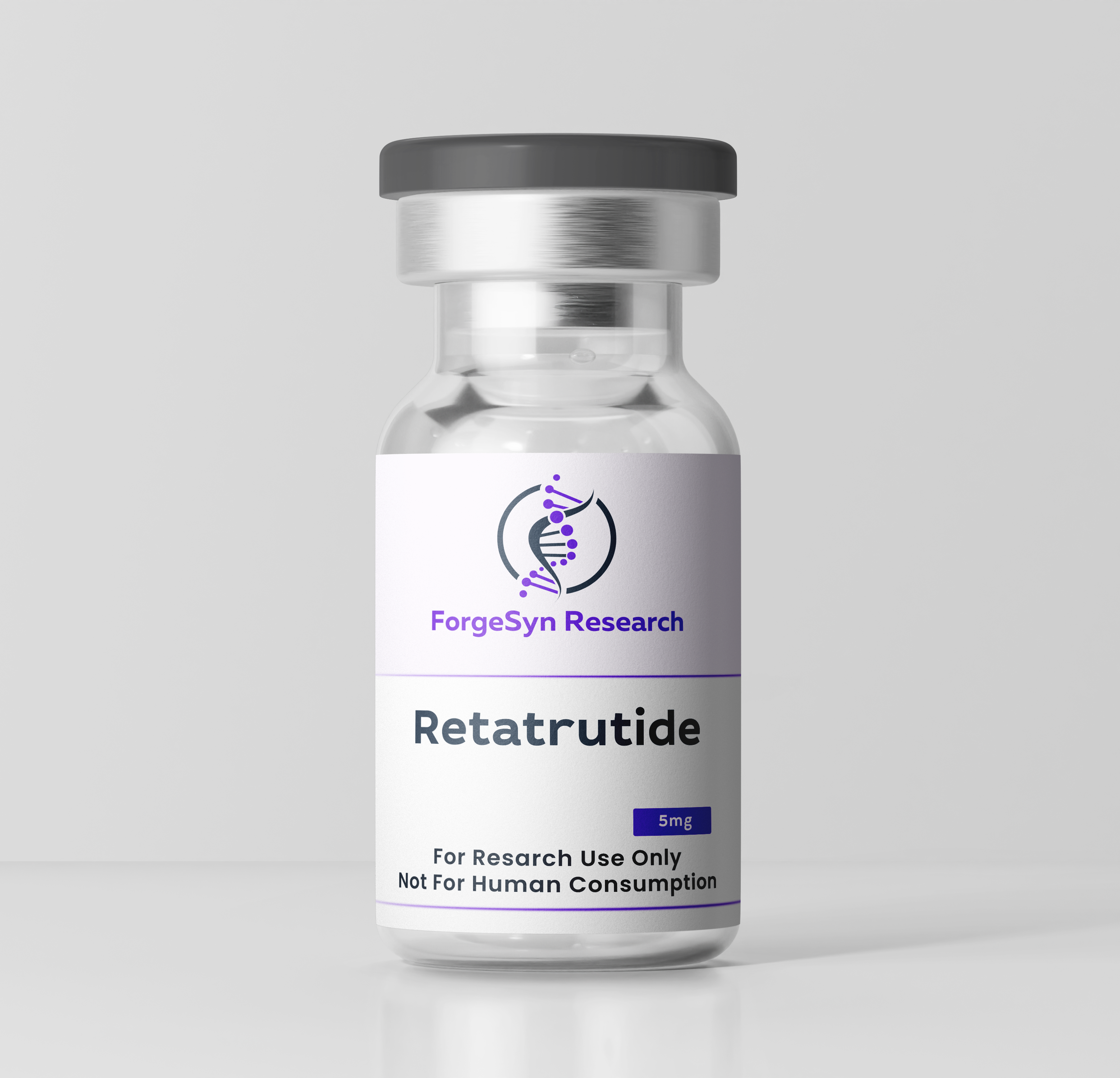

Retatrutide is an experimental, once-weekly injectable medication developed by Eli Lilly that is currently in phase 3 clinical trials for obesity, type 2 diabetes, knee osteoarthritis, and sleep apnea. Often referred to as a "triple-agonist," it works by targeting three hormone receptors simultaneously: GLP-1, GIP, and glucagon.
Weight Loss and Clinical Trial Efficacy
Retatrutide has shown unprecedented weight-loss results in trials. In clinical studies, participants on the highest doses lost an average of roughly 28% to 30% of their body weight over 80 weeks, which equates to about 70 to 85 pounds. This level of weight reduction is significantly higher than that of currently approved medications like Wegovy and Zepbound, rivaling the results typically seen with bariatric surgery.
In addition to weight loss, the drug has demonstrated promise in reducing pain associated with knee osteoarthritis and alleviating symptoms of obstructive sleep apnea.
How It Works
Unlike older medications that mimic one or two hormones, retatrutide's triple-agonist mechanism amplifies the effects of hunger reduction and metabolic regulation:
GLP-1 helps delay stomach emptying, balances blood sugar, and signals to the brain that you are full.
GIP further targets areas of the brain to stimulate satiety and curb food cravings.
Glucagon speeds up metabolism and helps the body break down fat cells for energy.
Side Effects
Retatrutide's side effect profile is similar to other incretin-based medications. The most common adverse events are mild to moderate gastrointestinal issues, including nausea, vomiting, diarrhea, and constipation. Some clinical trial participants also reported a temporary increase in heart rate, which peaked around 24 weeks and declined afterward.
FDA Approval and Availability
Retatrutide is not currently approved by the U.S. Food and Drug Administration (FDA). It is generally only available to patients enrolled in official, ongoing clinical trials. Depending on the timeline of the phase 3 trials, Eli Lilly may submit an application for FDA approval, and the drug could potentially become commercially available to the public in 2027.
While some unregulated compounding pharmacies and specialized doctors have attempted to offer the drug off-label or through "research chemical" pathways prior to approval, federal health authorities strictly warn against the use of unapproved, experimental medications outside of sanctioned research settings.
For research use only.